

모바일광고 | One Of The Biggest Mistakes That People Make With 30 Foot Container Ne…
페이지 정보
작성자 Keesha 작성일26-07-08 11:31 조회22회 댓글0건관련링크
본문

Understanding 30 Foot Containers: An In-Depth Guide
On the planet of logistics and 30' Shipping Containers, container sizes are important considerations for businesses and individuals alike. One of the less frequently talked about sizes is the 30-foot container. While 20-foot and 40-foot options dominate the marketplace, the 30-foot container has its own special benefits. This post will check out the requirements, uses, advantages, and considerations you need to know when looking into 30-foot containers.
What is a 30 Foot Container?
A 30-foot container is a shipping container that measures 30 Foot Containers [visit zenwriting.net`s official website] feet in length. While not as prevalent as its counterparts, this size is particularly beneficial in specific circumstances where space and expense effectiveness are vital.
Requirements of a 30 Foot Container
| Spec | Measurement |
|---|---|
| Length | 30 Foot Shipping Container Cost feet (9.14 meters) |
| Width | 8 feet (2.44 meters) |
| Height | 8.5 feet (2.59 meters) |
| Tare Weight | Around 3,650 pounds (1,650 kg) |
| Maximum Payload | Up to 28,000 pounds (12,700 kg) |
| Cubic Capacity | About 1,700 cubic feet (48.1 cubic meters) |
Key Features
Toughness: Made from top quality steel, these containers can hold up against extreme climate condition, making them an ideal choice for long-term storage and shipping.
Adaptability: 30-foot containers can be made use of for a variety of applications such as domestic storage, commercial shipping, and short-lived workplaces.
Security: With robust locking mechanisms, they supply a safe and secure space for saving valuable equipment or merchandise.
Uses of a 30 Foot Container
Home Renovation Storage: Ideal for property owners going through restorations who need momentary storage area for their furniture and possessions.
Organization Inventory: Companies can save excess inventory, equipment, or seasonal products without requiring to lease extra warehouse space.
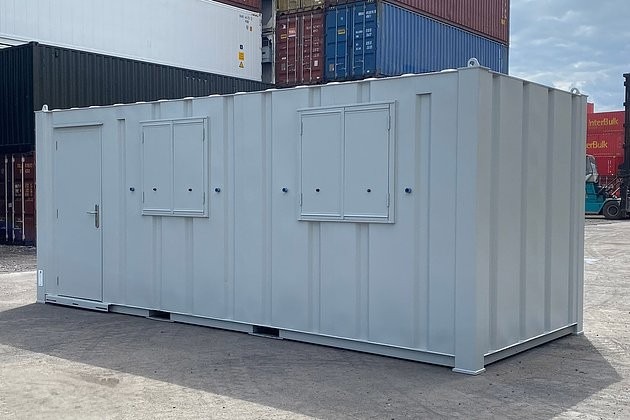
Site Offices: Perfect for building websites or remote locations where short-term offices are needed, 30-foot containers can be converted into functional work areas.
Occasion Storage: Event planners can use these containers for storing equipment, camping tents, and supplies throughout big occasions.
Shipping Custom Goods: For organizations that need to ship custom-sized goods that don't fit in basic 20 or 40-foot containers, a 30-foot container offers an ideal option.
Advantages of Using a 30 Foot Container
Expense Efficiency: Renting or purchasing a 30-foot container can be more cost-efficient than a 40-foot container when area requirements are lower.
Movement: These containers can be easily transported, making them appropriate for businesses that might require to relocate frequently.
Area Management: With a 30-foot container, organizations can efficiently manage space, decreasing the need for several smaller containers or extra warehouse facilities.
Environmental Considerations: Using containers can reduce the carbon footprint associated to storage, as they often promote much better company and resource management.
Factors to consider Before Using a 30 Foot Container
While 30-foot containers have numerous advantages, there are likewise some elements to ponder:
Availability: Depending on location, 30-foot containers might not be as easily offered as 20-foot or 40-foot alternatives.
Weight Limitations: Be mindful of the container's maximum payload, especially if keeping heavy equipment.
Zoning Regulations: In some areas, local laws might determine how and where containers can be placed, especially for long-lasting usage.
Availability: Ensure the container can be easily accessed by delivery automobiles if required, as some spaces might not accommodate larger trucks.
FAQs About 30 Foot Containers
1. Just how much weight can a 30-foot container hold?
A 30-foot container can hold up to roughly 28,000 lbs (12,700 kg).
2. Are 30-foot containers customisable?
Yes, numerous business provide modification alternatives, consisting of additional doors, windows, and insulation depending on the intended usage.
3. Where can I lease or purchase a 30-foot container?
A lot of shipping container leasing companies and online marketplaces provide choices for renting or buying a 30-foot container.
4. What are the typical applications for 30-foot containers?
Typical applications consist of storage, website offices, mobile centers for events, and shipping custom-sized products.
5. How do I prepare a website for a 30-foot container?
Make sure the location is flat, accessible by delivery lorries, and adhere to any regional zoning policies.
30 Feet Container-foot containers are an exceptional option for various storage and shipping needs, providing a versatile and efficient alternative to the more commonly used sizes. With their unique dimensions, they can serve a multitude of functions across various industries. Understanding the specifications, advantages, and considerations of these containers can assist services and people make informed decisions about their logistics and storage needs. As the demand for versatile shipping and storage solutions rises, the 30-foot container will unquestionably discover its location in the global market.
댓글목록
등록된 댓글이 없습니다.


